


Delaware-Electrical Engineering Package: 24 PDH
Original price was: $144.00.$80.00Current price is: $80.00.
Delaware – Ethics including DE Laws and Rules for Professional Engineers: 4 PDH
Design and Development of Hybrid Power Plants: 4 PDH
In this course the student will understand the hybrid power plant and the necessary design and planning details required to ensure reliable and efficient means for power production.
Compressed Air Energy Storage and Pumped Storage Hydropower Concepts: 4 PDH
In this course the student will understand understand current Compressed Air Energy Storage (CAES) and Pumped Storage Hydropower (PSH) technologies and explore future advances of this technology by examining the feasibility of a variety of different concepts.
Energy Storage Technology Cost and Performance: 4 PDH
In this course the student will understand a variety of different energy storage technologies and explore their advantages and disadvantages with an in-depth cost and performance comparison. This course follows the report: Energy Storage Technology and Cost Characterization Report, published by the U.S. Department of Energy (DOE).
Electrical Storage Guide for Electrical Engineers: 5 PDH
This course provides a thorough overview of current electrical storage technologies including batteries, flywheels, compressed air energy storage (CAES), and pumped storage hydropower (PSH) and is a how-to guide for engineers to aid in the selection, procurement, installation, and/or operation of stationary energy storage systems in today’s electric grid.
Analysis of National Charging infrastructure for Electric Vehicles: 3 PDH
This courses addresses the fundamental question of how much plug-in electric vehicle (PEV) charging infrastructure is needed in the United States to support both plug-in hybrid electric vehicles (PHEVs) and battery electric vehicles (BEVs). In this course the student will understand PEV charging infrastructure requirements and analyze a range of plausible scenarios that consider the relationship between the evolution of the PEV fleet and charging infrastructure.
Preview Course: Delaware Ethics including DE Laws and Rules
Preview Course: Design and Development of Hybrid Power Plants
Preview Course: CAES and PSH Concepts
Preview Course: Energy Storage Technology Cost and Performance
Preview Course: Electrical Storage Guide for Electrical Engineers
Preview Course: Analysis of National Charging infrastructure for Electric Vehicles
Related Courses
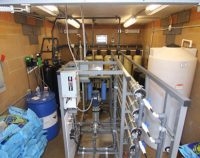
Design of Small Water Systems: 3 PDH
$18.00 Add to cartThis course focuses on criteria for water source development, design of small water supply, treatment, and distribution systems. This professional engineer online course is from the U.S. Army Corps of Engineers manual on the Design of Small Water Systems. This manual provides information of interest to planners and designers of small water systems. The major emphasis of this course is on the design of systems that will be effective and reliable, requiring a level of operation and management activity commensurate with their physical size and the available sources.Instructor: Raymond Bosek, PEThis course focuses on criteria for water source development, design of small water supply, treatment, and distribution systems. This professional engineer online course is from the U.S. Army Corps of Engineers manual on the Design of Small Water Systems. This manual provides information of interest to planners and designers of small water systems. The major emphasis of this course is on the design of systems that will be effective and reliable, requiring a level of operation and management activity commensurate with their physical size and the available sources.
SPECIFIC KNOWLEDGE OR SKILL OBTAINED
This course teaches the following specific knowledge and skills:
- Preliminary Water System Planning and Design Considerations
- Water Quality Requirements (State, EPA, local)
- Water Quantity Requirements
- Water Source Options and Source Development
- Water Treatment Unit Operations such as Disinfection, Iron Removal
- Manganese Removal, Hardness Removal, Taste and Odor Removal
- Stability and Corrosion Control, Turbidity Removal, Color Removal, and many other technologies and their applications
CERTIFICATE OF COMPLETION
You will be able to immediately print a certificate of completion after passing a 20 question multiple-choice quiz. The quiz can be retaken unlimited times until a passing grade of 70% or better is earned. This course satisfies 3 professional development hours (PDH) of continuing education.
Preview CourseClick “Preview Course” to View Prior to PurchaseClick “Add to Cart” to Purchase and Access Quiz- Sale!

Virginia-Civil Engineering Package #2: 16 PDH
Original price was: $96.00.$64.00Current price is: $64.00. Add to cartThree Civil Engineering courses plus Virginia Laws, Rules, & Ethics course that will earn 16 PDH guaranteed to be accepted by the Virginia APELSCIDLA Board.Instructor: Raymond Bosek, PEVirginia – Laws, Rules, and Ethics for Professional Engineers: 3 PDH
In this course the student will study the Virginia State APELSCIDLA Board Laws and Regulations, including Professional Engineering Ethics.
Accident and Operational Safety Analysis: 4 PDH
In this course the student will understand the fundamental concepts of accident dynamics, accident prevention, and accident analysis. The student will learn the theoretical bases of safety management and accident analysis, and the practical application of a Safety Management framework for an organization.
Gravel Road Construction: 4 PDH
It is estimated that over a third of the 4.09 million miles of roadway in the United States are not paved. These are typically unpaved gravel or dirt roads, and they’re mostly located throughout rural areas and communities where the volume of traffic is so low that paving and maintaining a paved road is not economically feasible. In this course the student will understand basic concepts in designing and maintaining gravel surfaced roads and essential tips to ensure lasting performance.
Residential Structural Design: 5 PDH
In this course the student will understand the basics of residential construction and design, residential structural design concepts and design loads for residential buildings and to gain an understanding of modern design methods and concepts for light-frame homes, apartments, and townhouses.
