

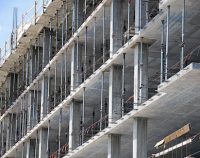
Design of Heavy Duty Concrete Floor Slabs on Grade: 3 PDH
$18.00
This course describes the criteria for the design of concrete floor slabs on grade in buildings for heavy loads. Concrete floor slabs on grade are often subjected to heavy loads in buildings such as wall loads, stationary live loads and moving loads. The entire design procedure is based on a working stress concept. This course will provide the student with the criteria needed to design concrete floor slabs on grade subjected to heavy loads. Design examples are shown to aid in understanding the course material.
SPECIFIC KNOWLEDGE OR SKILL OBTAINED
This course teaches the following specific knowledge and skills:
- The steps required to design a heavy duty concrete floor slab
- How to determine floor slab requirements for wall loads, stationary wall loads and moving loads
- How to investigate the subgrade and environmental conditions relevant to the design
- How to determine the modulus of subgrade reaction for various soils
CERTIFICATE OF COMPLETION
You will be able to immediately print a certificate of completion after passing a 15 question multiple-choice quiz. The quiz can be retaken unlimited times until a passing grade of 70% or better is earned. This course satisfies 3 professional development hours (PDH) of continuing education.
Related Courses
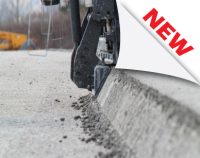
Roller-Compacted Concrete : 5 PDH
$30.00 Add to cartIn this course the student will understand the principles, methods, and considerations involved in the use of roller-compacted concrete (RCC) for civil works structures, particularly dams. They will gain foundational knowledge of material properties, mix design, construction techniques, and quality assurance protocols essential to RCC implementation.Instructor: Raymond Bosek, PESPECIFIC KNOWLEDGE OR SKILL OBTAINED
This course teaches the following specific knowledge and skills:
- Define roller-compacted concrete and distinguish it from conventional concrete and embankment materials in terms of composition and application
- Evaluate the suitability of materials, including aggregates, cementitious substances, and admixtures, for RCC construction
- Design RCC mixture proportions to meet structural and performance criteria based on strength, durability, and workability requirements
- Apply best practices for RCC placement, compaction, and construction using specialized equipment and techniques
- Implement quality assurance and quality control procedures throughout the RCC construction process
- Analyze the performance of RCC structures post-construction with respect to watertightness, durability, and structural integrity
CERTIFICATE OF COMPLETION
You will be able to immediately print a certificate of completion after passing a 20 question multiple-choice quiz. The quiz can be retaken unlimited times until a passing grade of 70% or better is earned. This course satisfies five (5) hours of professional development (PDH).
Preview CourseClick “Preview Course” to view prior to purchaseClick “Add to Cart” to purchase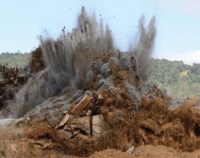
Rock Excavations Blasting Design Part 1: 6 PDH
$36.00 Add to cartIn this course the student will understand the fundamentals of blasting for rock excavations by learning the art and design of using explosives for the removal of rock and similar materials for construction activities. This is part 1 of a 2 part series.Instructor: Raymond Bosek, PESPECIFIC KNOWLEDGE OR SKILL OBTAINED
This course teaches the following specific knowledge and skills:
- Discuss the history of explosives in construction
- Identify basic blasting terminology
- Explain the different types of explosives
- Determine optimal explosives for use cases
- Discuss the various types of initiation systems
- Discuss common geology encountered and blast design characteristics
- Explain site exploration activities and common hazards
CERTIFICATE OF COMPLETION
You will be able to immediately print a certificate of completion after passing a 20 question multiple-choice quiz. The quiz can be retaken unlimited times until a passing grade of 70% or better is earned. This course satisfies 6 professional development hours (PDH) of continuing education.
Preview CourseClick “Preview Course” to View Prior to PurchaseClick “Add to Cart” to Purchase and Access Quiz
