

Design of Hydraulic Steel Structures: 4 PDH
$24.00
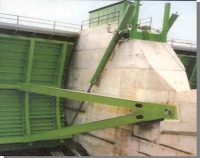
Proper design, construction, and maintenance of hydraulic steel structures (HSS) is imperative for safe operation and reliable service over the structure’s lifetime. Engineers charged with the responsibility of maintaining these structures must be familiar with the basics of HSS design, as well as the intricacies of the structure’s abilities and limitations. This 4 hour interactive course prescribes guidance for (a) designing hydraulic steel structures (HSS) by load and resistance factor design (LRFD) and (b) fracture control. Allowable stress design (ASD) guidance is provided as an alternative design procedure or for those structure types where LRFD criteria have yet to be developed. Hydraulic steel structures are lock gates, tainter gates, tainter valves, bulkheads and stoplogs, vertical lift gates, components of hydroelectric and pumping plants, and miscellaneous structures such as lock wall accessories, local flood protection gates, and outlet works gates. HSS may be subject to submergence, wave action, hydraulic hammer, cavitation, impact, corrosion, and severe climatic conditions.
SPECIFIC KNOWLEDGE OR SKILL OBTAINED
This course teaches the following specific knowledge and skills:
- Discuss the benefits of the LRFD method over the ASD method of designs
- List the modes of failure for HSS and what design principles are used to address these issues
- Describe the types of HSS and their corresponding uses and allowable stress loads
- Name the different types of HSS connections, including their design specifications and appropriate uses
CERTIFICATE OF COMPLETION
You will be able to immediately print a certificate of completion after passing a 20 question multiple-choice quiz. The quiz can be retaken unlimited times until a passing grade of 70% or better is earned. This course satisfies 4 professional development hours (PDH) of continuing education.
Related Courses

Fundamentals of Valves: 4 PDH
$24.00 Add to cartValves are a ubiquitous feature in many industrail facilities. As Valves make up the most common single piece of equipment found in industrial facilities familiarity with valves is useful practical knowledge. This course will provide an overview of the common components of valves, types of valves usage, design considerations, and actuation methods.Instructor: Seth Grablow, PEValves are a ubiquitous feature in many industrail facilities. As Valves make up the most common single piece of equipment found in industrial facilities familiarity with valves is useful practical knowledge. This course will provide an overview of the common components of valves, types of valves usage, design considerations, and actuation methods.
SPECIFIC KNOWLEDGE OR SKILL OBTAINED
This course teaches the following specific knowledge and skills:
- Valve Functions
- Basic Parts of Valves
- Different Types of Values (Usage and Design)
- General Design Considerations when using valves
- Types of Valve Actuators
CERTIFICATE OF COMPLETION
You will be able to immediately print a certificate of completion after passing a 25 question multiple-choice quiz. The quiz can be retaken unlimited times until a passing grade of 70% or better is earned. This course satisfies 4 professional development hours (PDH) of continuing education.
Preview CourseClick “Preview Course” to View Prior to PurchaseClick “Add to Cart” to Purchase and Access Quiz
Iowa – Ethics including IA Laws and Rules for Professional Engineers: 4 PDH
$24.00 Add to cartThis course satisfies the Iowa continuing education requirement of two (2) professional development hours in engineering ethics, (ref. I.A.C. 193C—7.5(1))In this course the student will study two ethics courses including the Iowa Engineering and Land Surveying Examining Board Laws and Rules. A total of thirty (30) questions will test his or her understanding of the subject.Instructor: Juan Pesante, PESPECIFIC KNOWLEDGE OR SKILL OBTAINED
This course teaches the following specific knowledge and skills:
- The engineer's guidelines for practicing within Iowa's codes and Rules
- The engineer’s duty to protect the public
- The engineer’s duty to make objective and truthful statements
- The engineer’s duty to limit practice to his or her field of competence
- The engineer’s duty to maintain client confidentiality
- The engineer’s responsibility to the profession
CERTIFICATE OF COMPLETION
You will be able to immediately print a certificate of completion after passing a thirty (30) question multiple-choice quiz. The quiz can be retaken unlimited times until a passing grade of 70% or better is earned. This course satisfies four (4) professional development hours (PDH) of continuing education.
Preview CourseClick “Preview Course” to view prior to purchaseClick “Add to Cart” to purchase
