

Design of Hydraulic Steel Structures: 4 PDH
$24.00
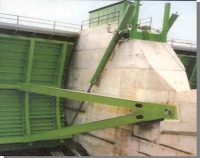
Proper design, construction, and maintenance of hydraulic steel structures (HSS) is imperative for safe operation and reliable service over the structure’s lifetime. Engineers charged with the responsibility of maintaining these structures must be familiar with the basics of HSS design, as well as the intricacies of the structure’s abilities and limitations. This 4 hour interactive course prescribes guidance for (a) designing hydraulic steel structures (HSS) by load and resistance factor design (LRFD) and (b) fracture control. Allowable stress design (ASD) guidance is provided as an alternative design procedure or for those structure types where LRFD criteria have yet to be developed. Hydraulic steel structures are lock gates, tainter gates, tainter valves, bulkheads and stoplogs, vertical lift gates, components of hydroelectric and pumping plants, and miscellaneous structures such as lock wall accessories, local flood protection gates, and outlet works gates. HSS may be subject to submergence, wave action, hydraulic hammer, cavitation, impact, corrosion, and severe climatic conditions.
SPECIFIC KNOWLEDGE OR SKILL OBTAINED
This course teaches the following specific knowledge and skills:
- Discuss the benefits of the LRFD method over the ASD method of designs
- List the modes of failure for HSS and what design principles are used to address these issues
- Describe the types of HSS and their corresponding uses and allowable stress loads
- Name the different types of HSS connections, including their design specifications and appropriate uses
CERTIFICATE OF COMPLETION
You will be able to immediately print a certificate of completion after passing a 20 question multiple-choice quiz. The quiz can be retaken unlimited times until a passing grade of 70% or better is earned. This course satisfies 4 professional development hours (PDH) of continuing education.
Related Courses

Rock Excavations Blasting Design Part 1: 6 PDH
$36.00 Add to cartIn this course the student will understand the fundamentals of blasting for rock excavations by learning the art and design of using explosives for the removal of rock and similar materials for construction activities. This is part 1 of a 2 part series.Instructor: Raymond Bosek, PESPECIFIC KNOWLEDGE OR SKILL OBTAINED
This course teaches the following specific knowledge and skills:
- Discuss the history of explosives in construction
- Identify basic blasting terminology
- Explain the different types of explosives
- Determine optimal explosives for use cases
- Discuss the various types of initiation systems
- Discuss common geology encountered and blast design characteristics
- Explain site exploration activities and common hazards
CERTIFICATE OF COMPLETION
You will be able to immediately print a certificate of completion after passing a 20 question multiple-choice quiz. The quiz can be retaken unlimited times until a passing grade of 70% or better is earned. This course satisfies 6 professional development hours (PDH) of continuing education.
Preview CourseClick “Preview Course” to View Prior to PurchaseClick “Add to Cart” to Purchase and Access Quiz
Ultra-High Performance Concrete (UHPC): 4 PDH
$24.00 Add to cartIn this course the student will understand the unique properties, design implications, and practical applications of Ultra-High Performance Concrete (UHPC), particularly in bridge infrastructure. They will grasp how UHPC differs from conventional concrete, including its superior strength, durability, and performance in extreme conditions.Instructor: Raymond Bosek, PESPECIFIC KNOWLEDGE OR SKILL OBTAINED
This course teaches the following specific knowledge and skills:
- Differentiate UHPC from conventional and high-performance concretes in terms of material composition, mechanical strength, and durability.
- Analyze the mechanical properties of UHPC, including compressive and tensile strengths, modulus of elasticity, and fatigue behavior.
- Design structural elements using UHPC by applying appropriate load resistance principles and reinforcement strategies.
- Evaluate the curing, mixing, and placement methods critical to achieving UHPC’s optimal performance in the field.
- Assess the long-term durability of UHPC in various environmental conditions including freeze-thaw cycles, marine exposure, and fire resistance.
- Identify current and potential applications of UHPC in infrastructure projects worldwide, with an emphasis on bridge engineering.
CERTIFICATE OF COMPLETION
You will be able to immediately print a certificate of completion after passing a 20 question multiple-choice quiz. The quiz can be retaken unlimited times until a passing grade of 70% or better is earned. This course satisfies four (4) hours of professional development (PDH).
Preview CourseClick “Preview Course” to view prior to purchaseClick “Add to Cart” to purchase
