

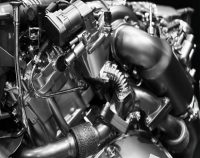
Diesel Engine Fundamentals I: 3 PDH
$18.00
Part I of a two-part series. This course provides the engineer the basic understanding of the operation and design of Diesel Engines. The student will learning learn the fundamentals from the earlier history to the basic components which make up all diesel engines today.
SPECIFIC KNOWLEDGE OR SKILL OBTAINED
This course teaches the following specific knowledge and skills:
- Diesel engine history
- Differences to other combustible engines
- Major components
- Cooling systems
- Lubrication systems
- Fuel systems
CERTIFICATE OF COMPLETION
You will be able to immediately print a certificate of completion after passing a 25 question multiple-choice quiz. The quiz can be retaken unlimited times until a passing grade of 70% or better is earned. This course satisfies 3 professional development hours (PDH) of continuing education.
Related Courses
Coating Types and Characteristics of Metals: 3 PDH
$18.00 Add to cartIn this course the student will understand the characteristics and applications of various industrial coatings and metal finishes. Instructor: Seth Grablow, PESPECIFIC KNOWLEDGE OR SKILL OBTAINED
This course teaches the following specific knowledge and skills:
- Discuss various metal coating types and characteristics
- Explain film-forming mechanisms and binders
- Understand driers, pigments, solvents, and miscellaneous additives
- Explain zinc-rich coatings and VOCs
- Understand powder coating, thermal sprays, galvanizing, etc.
CERTIFICATE OF COMPLETION
You will be able to immediately print a certificate of completion after passing a fifteen (15) question multiple-choice quiz. The quiz can be retaken unlimited times until a passing grade of 70% or better is earned. This course satisfies three (3) professional development hours (PDH) of continuing education.
Preview CourseClick “Preview Course” to View Prior to PurchaseClick “Add to Cart” to Purchase and Access Quiz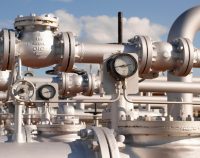
Fundamentals of Valves: 4 PDH
$24.00 Add to cartValves are a ubiquitous feature in many industrail facilities. As Valves make up the most common single piece of equipment found in industrial facilities familiarity with valves is useful practical knowledge. This course will provide an overview of the common components of valves, types of valves usage, design considerations, and actuation methods.Instructor: Seth Grablow, PEValves are a ubiquitous feature in many industrail facilities. As Valves make up the most common single piece of equipment found in industrial facilities familiarity with valves is useful practical knowledge. This course will provide an overview of the common components of valves, types of valves usage, design considerations, and actuation methods.
SPECIFIC KNOWLEDGE OR SKILL OBTAINED
This course teaches the following specific knowledge and skills:
- Valve Functions
- Basic Parts of Valves
- Different Types of Values (Usage and Design)
- General Design Considerations when using valves
- Types of Valve Actuators
CERTIFICATE OF COMPLETION
You will be able to immediately print a certificate of completion after passing a 25 question multiple-choice quiz. The quiz can be retaken unlimited times until a passing grade of 70% or better is earned. This course satisfies 4 professional development hours (PDH) of continuing education.
Preview CourseClick “Preview Course” to View Prior to PurchaseClick “Add to Cart” to Purchase and Access Quiz
