


Essentials of Heating and Cooling of Buildings: 7 PDH
$40.00
SPECIFIC KNOWLEDGE OR SKILL OBTAINED
This course teaches the following specific knowledge and skills:
- Discuss the human body, human heat transfer, and thermal comfort
- Understand design conditions for heating and cooling
- Understand heat gain, heat loss, and heat transfer of people and equipment
- Explain solar heat gain and transfer
- Discuss infiltration heat load and weatherizing
- Understand calculating heating and cooling requirements
- Understand annual energy consumption of a building
CERTIFICATE OF COMPLETION
You will be able to immediately print a certificate of completion after passing a 25 question multiple-choice quiz. The quiz can be retaken unlimited times until a passing grade of 70% or better is earned. This course satisfies seven professional development hours (PDH) of continuing education.
Related Courses
- Sale!

Michigan-Electrical Engineering Package #2: 30 PDH
Original price was: $180.00.$90.00Current price is: $90.00. Add to cartSix Electrical Engineering courses plus Michigan Ethics and Laws & Rules course that will earn 30 PDH guaranteed to be accepted by the Michigan Department of Licensing and Regulatory Affairs.Instructor: Juan Pesante, PEMichigan – Ethics including MI Laws and Rules for Professional Engineers: 4 PDH
This course satisfies the Michigan continuing education requirement of two (2) professional development hours in engineering ethics, (ref. Michigan Administrative Code R339.16040)In this course the student will study two ethics courses including the Michigan Department of Licensing and Regulatory Affairs Professional Engineer Laws and Rules. A total of thirty (30) questions will test his or her understanding of the subject.2023 NEC Significant Code Changes Part 1: 4 PDH
Part 1 of a three part series, this four (4) hour course covers and highlights some of the significant changes and updates in the 2023 Edition of NFPA 70: National Electrical Code (NEC) which was recently updated from the 2020 Edition of NFPA 70: National Electrical Code (NEC).
2023 NEC Significant Code Changes Part 2: 4 PDH
Part 2 of a three part series, this four (4) hour course covers and highlights some of the significant changes and updates in the 2023 Edition of NFPA 70: National Electrical Code (NEC) which was recently updated from the 2020 Edition of NFPA 70: National Electrical Code (NEC).
Blockchain Technology Overview: 3 PDH
In this course the student will be introduced to Blockchain technology, from its history and beginnings, through the various components, models, and make-up and finally its applications and limitations.
Electrical Safety: 5 PDH
In this course the student will understand the dangers and hazards when working with or near electrical power and approaches to work safely to avoid serious injury.
Forecasting Solar Radiation and Photovoltaic Power: 5 PDH
Solar resource forecasting is critical for the operation and management of solar power plants and electric grids. In this course the student will understand the basic concepts and various methods of solar irradiance forecasting as well as forecasting the power production of Photovoltaic (PV) power plants.
Solar Energy Measuring and Modeling: 5 PDH
In this course the student will understand the concepts of measuring and modeling solar radiation, the various measurement systems available, satellite-based and operational models, and forecasting Solar Radiation and predicting Photovoltaic Power.
Preview Course: Michigan Ethics, Laws & Rules
Preview Course: 2023 NEC Significant Code Changes Part 1
Preview Course: 2023 NEC Significant Code Changes Part 2
Preview Course: Blockchain Technology Overview
Preview Course: Electrical Safety
Preview Course: Forecasting Solar Radiation and Photovoltaic Power
Preview Course: Solar Energy Measuring and Modeling 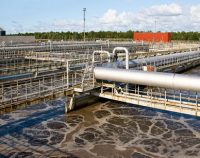
Wastewater Treatment Plants: 1 PDH
$6.00 Add to cartPackage plants are pre-manufactured wastewater treatment facilities typically used to treat flows between 0.01 and 0.25 MGD. This course provides information about three types of package plants, extended aeration, sequencing batch reactor and oxidation ditch systems. General configuration, typical applications for each, advantages and disadvantages, typical performance, and cost are covered.Instructor: Raymond Bosek, PEPackage plants are pre-manufactured wastewater treatment facilities typically used to treat flows between 0.01 and 0.25 MGD. This course provides information about three types of package plants, extended aeration, sequencing batch reactor and oxidation ditch systems. General configuration, typical applications for each, advantages and disadvantages, typical performance, and cost are covered.
SPECIFIC KNOWLEDGE OR SKILL OBTAINED
This course teaches the following specific knowledge and skills:
- General configuration of extended aeration, sequencing batch reactor, and oxidation ditch package plants
- Typical applications for extended aeration, sequencing batch reactor, and oxidation ditch package plants
- Advantages and disadvantages of extended aeration, sequencing batch reactor, and oxidation ditch package plants
- Design criteria for extended aeration, sequencing batch reactor, and oxidation ditch package plants
- Typical performance and costs of extended aeration, sequencing batch reactor, and oxidation ditch package plants
CERTIFICATE OF COMPLETION
You will be able to immediately print a certificate of completion after passing a 10 question multiple-choice quiz. The quiz can be retaken unlimited times until a passing grade of 70% or better is earned. This course satisfies 1 professional development hours (PDH) of continuing education.
Preview CourseClick “Preview Course” to View Prior to PurchaseClick “Add to Cart” to Purchase and Access Quiz
