


Fundamentals of Gas Turbine Engines: 5 PDH
$30.00
Concepts for machines that harness power from heated air or water have been around since the 1600s. From this beginning, the gas turbine engine now is at the center of major industries including: aviation, naval propulsion, and power generation. This course provides an overview of the development of gas turbines, operational theory, Brayton cycle, conditions and design limitations that affect performance, types of turbine engines and components utilized in a gas turbine engine.
SPECIFIC KNOWLEDGE OR SKILL OBTAINED
This course teaches the following specific knowledge and skills:
- History of development of the gas turbine
- Basic gas turbine engine operation theory, Brayton Cycle
- Factor affecting engine performance
- Types of gas turbine engines
- Components of a gas turbine engine
- Gas turbine engine auxiliary systems
CERTIFICATE OF COMPLETION
You will be able to immediately print a certificate of completion after passing a 25 question multiple-choice quiz. The quiz can be retaken unlimited times until a passing grade of 70% or better is earned. This course satisfies 5 professional development hours (PDH) of continuing education.
Related Courses
- Sale!

Construction Site Safety: 0.5 PDH
Original price was: $6.00.$0.00Current price is: $0.00. Add to cartIn this course the student will study the top ten construction site safety hazards. The student will understand the most common construction site safety hazards and the methods to mitigate these hazards to increase safety for all personnel.Instructor: Raymond Bosek, PEIn this course the student will study the top ten construction site safety hazards. The student will understand the most common construction site safety hazards and the methods to mitigate these hazards to increase safety for all personnel.
SPECIFIC KNOWLEDGE OR SKILL OBTAINED
This course teaches the following specific knowledge and skills:
- Identify common construction site hazards
- Discuss safety practices to decrease hazard risks
- Explain guidelines to increase hazard awareness and prevent accidents
- Discuss Personal Protective Equipment (PPE) and its uses
- Understand Hazard communication
- Utilize Safety Checklists
CERTIFICATE OF COMPLETION
You will be able to immediately print a certificate of completion after passing a 10 question multiple-choice quiz. The quiz can be retaken unlimited times until a passing grade of 70% or better is earned. This course satisfies 0.5 professional development hours (PDH) of continuing education.
Preview CourseClick “Preview Course” to View Prior to PurchaseClick “Add to Cart” to Purchase and Access Quiz 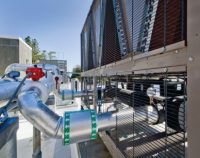
Water Cooled Air Conditioning Systems Part 1: 2 PDH
$12.00 Add to cartIn this course the student will understand the requirements and best practices for the design, installation and commissioning of cooling tower systems of water cooled air conditioning systems.Instructor: Seth Grablow, PESPECIFIC KNOWLEDGE OR SKILL OBTAINED
This course teaches the following specific knowledge and skills:
- Cooling Tower Types and Systems
- Construction and Installation Requirements
- Installation Locations
- Water and Bleed-Off Water Water Control
- Notices and Labels
- Risk Management
- Testing and Commissioning
CERTIFICATE OF COMPLETION
You will be able to immediately print a certificate of completion after passing a 15 question multiple-choice quiz. The quiz can be retaken unlimited times until a passing grade of 70% or better is earned. This course satisfies two (2) professional development hours (PDH) of continuing education.
Preview CourseClick “Preview Course” to View Prior to PurchaseClick “Add to Cart” to Purchase and Access Quiz
