
- Sale!

Maine-Mechanical Engineering Package: 30 PDH
Original price was: $180.00.$90.00Current price is: $90.00. Add to cartSix Mechanical Engineering courses plus Maine Laws, Rules & Ethics course that will earn 30 PDH guaranteed to be accepted by the Maine State Board of Licensure for Professional Engineers. Instructor: Seth Grablow, PEMaine – Laws, Rules, and Ethics for Professional Engineers: 3 PDH
In this course the student will study the Maine State Board of Licensure for Professional Engineers Laws and Rules, including Professional Engineering Ethics.
Systems Engineering Fundamentals Part 1: 5 PDH
Part one of a two-part course, this course provides a thorough overview of the systems engineering process and presents a in-depth review of the tools and processes to to develop a system efficiently and effectively and to support that system through its life cycle.
Systems Engineering Fundamentals Part 2: 5 PDH
Part two of a two-part course, this course provides a thorough overview of the systems engineering process and presents a in-depth review of the tools and processes to to develop a system efficiently and effectively and to support that system through its life cycle.
Improving Pumping System Performance: 4 PDH
This course provides a thorough overview of pumping systems and their components and practical guidelines to enhance performance and increase efficiency.
Improving Process Heating System Performance: 4 PDH
This course provides a thorough overview of process heating systems and their components and practical guidelines to enhance performance and increase efficiency.
Improving Steam System Performance: 5 PDH
This course provides a thorough overview of steam systems and their components and practical guidelines to enhance performance and increase efficiency.
Improving Compressed Air System Performance: 4 PDH
This course provides a thorough overview of compressed air systems and their components and presents various methods and opportunities to enhance performance and increase efficiency.
Preview Course: Maine Laws, Rules and Ethics
Preview Course: Systems Engineering Fundamentals Part 1
Preview Course: Systems Engineering Fundamentals Part 2
Preview Course: Improving Pumping System Performance
Preview Course: Improving Process Heating System Performance
Preview Course: Improving Steam System Performance
Preview Course: Improving Compressed Air System Performance - Sale!
Kentucky-Mechanical Engineering Package: 30 PDH
Original price was: $180.00.$90.00Current price is: $90.00. Add to cartSix Mechanical Engineering courses plus Kentucky Statutes, Regulations & Ethics course that will earn 30 PDH guaranteed to be accepted by the Kentucky Board of Engineers and Land Surveyors. Instructor: Seth Grablow, PEKentucky – Statutes, Regulations and Ethics for Professional Engineers: 3 PDH
In this course the student will study the Kentucky Board of Engineers and Land Surveyors Statutes and Regulations, including Professional Engineering Ethics.
Systems Engineering Fundamentals Part 1: 5 PDH
Part one of a two-part course, this course provides a thorough overview of the systems engineering process and presents a in-depth review of the tools and processes to to develop a system efficiently and effectively and to support that system through its life cycle.
Systems Engineering Fundamentals Part 2: 5 PDH
Part two of a two-part course, this course provides a thorough overview of the systems engineering process and presents a in-depth review of the tools and processes to to develop a system efficiently and effectively and to support that system through its life cycle.
Improving Pumping System Performance: 4 PDH
This course provides a thorough overview of pumping systems and their components and practical guidelines to enhance performance and increase efficiency.
Improving Process Heating System Performance: 4 PDH
This course provides a thorough overview of process heating systems and their components and practical guidelines to enhance performance and increase efficiency.
Improving Steam System Performance: 5 PDH
This course provides a thorough overview of steam systems and their components and practical guidelines to enhance performance and increase efficiency.
Improving Compressed Air System Performance: 4 PDH
This course provides a thorough overview of compressed air systems and their components and presents various methods and opportunities to enhance performance and increase efficiency.
Preview Course: Kentucky Statutes, Regulations and Ethics
Preview Course: Systems Engineering Fundamentals Part 1
Preview Course: Systems Engineering Fundamentals Part 2
Preview Course: Improving Pumping System Performance
Preview Course: Improving Process Heating System Performance
Preview Course: Improving Steam System Performance
Preview Course: Improving Compressed Air System Performance - Sale!
Indiana-Mechanical Engineering Package: 30 PDH
Original price was: $180.00.$90.00Current price is: $90.00. Add to cartIndiana Approved Provider: CE21800049Six Mechanical Engineering courses plus Indiana Laws, Rules & Ethics course that will earn 30 PDH guaranteed to be accepted by the Indiana State Board of Registration for Professional Engineers. Instructor: Seth Grablow, PEIndiana – Laws, Rules, and Ethics for Professional Engineers: 3 PDH
In this course the student will study the Indiana State Board of Registration for Professional Engineers Laws and Rules including Professional Engineering Ethics.
Systems Engineering Fundamentals Part 1: 5 PDH
Part one of a two-part course, this course provides a thorough overview of the systems engineering process and presents a in-depth review of the tools and processes to to develop a system efficiently and effectively and to support that system through its life cycle.
Systems Engineering Fundamentals Part 2: 5 PDH
Part two of a two-part course, this course provides a thorough overview of the systems engineering process and presents a in-depth review of the tools and processes to to develop a system efficiently and effectively and to support that system through its life cycle.
Improving Pumping System Performance: 4 PDH
This course provides a thorough overview of pumping systems and their components and practical guidelines to enhance performance and increase efficiency.
Improving Process Heating System Performance: 4 PDH
This course provides a thorough overview of process heating systems and their components and practical guidelines to enhance performance and increase efficiency.
Improving Steam System Performance: 5 PDH
This course provides a thorough overview of steam systems and their components and practical guidelines to enhance performance and increase efficiency.
Improving Compressed Air System Performance: 4 PDH
This course provides a thorough overview of compressed air systems and their components and presents various methods and opportunities to enhance performance and increase efficiency.
Preview Course: Indiana Laws, Rules and Ethics
Preview Course: Systems Engineering Fundamentals Part 1
Preview Course: Systems Engineering Fundamentals Part 2
Preview Course: Improving Pumping System Performance
Preview Course: Improving Process Heating System Performance
Preview Course: Improving Steam System Performance
Preview Course: Improving Compressed Air System Performance - Sale!
Idaho-Mechanical Engineering Package: 30 PDH
Original price was: $180.00.$90.00Current price is: $90.00. Add to cartSix Mechanical Engineering courses plus Idaho Laws, Rules & Ethics course that will earn 30 PDH guaranteed to be accepted by the Idaho Board of Licensure of Professional Engineers and Professional Land Surveyors. Instructor: Seth Grablow, PEIdaho – Laws, Rules, and Ethics for Professional Engineers: 3 PDH
In this course the student will study the Idaho Board of Licensure of Professional Engineers and Professional Land Surveyors Laws and Rules including Professional Engineering Ethics.
Systems Engineering Fundamentals Part 1: 5 PDH
Part one of a two-part course, this course provides a thorough overview of the systems engineering process and presents a in-depth review of the tools and processes to to develop a system efficiently and effectively and to support that system through its life cycle.
Systems Engineering Fundamentals Part 2: 5 PDH
Part two of a two-part course, this course provides a thorough overview of the systems engineering process and presents a in-depth review of the tools and processes to to develop a system efficiently and effectively and to support that system through its life cycle.
Improving Pumping System Performance: 4 PDH
This course provides a thorough overview of pumping systems and their components and practical guidelines to enhance performance and increase efficiency.
Improving Process Heating System Performance: 4 PDH
This course provides a thorough overview of process heating systems and their components and practical guidelines to enhance performance and increase efficiency.
Improving Steam System Performance: 5 PDH
This course provides a thorough overview of steam systems and their components and practical guidelines to enhance performance and increase efficiency.
Improving Compressed Air System Performance: 4 PDH
This course provides a thorough overview of compressed air systems and their components and presents various methods and opportunities to enhance performance and increase efficiency.
Preview Course: Idaho Laws, Rules and Ethics
Preview Course: Systems Engineering Fundamentals Part 1
Preview Course: Systems Engineering Fundamentals Part 2
Preview Course: Improving Pumping System Performance
Preview Course: Improving Process Heating System Performance
Preview Course: Improving Steam System Performance
Preview Course: Improving Compressed Air System Performance - Sale!


AI/ML Technology in Power System Applications: 5 PDH
$30.00 Add to cartIn this course the student will understand the role, potential, and challenges of Artificial Intelligence (AI) and Machine Learning (ML) technologies in modern power system applications. They will gain knowledge of various AI/ML techniques, their practical uses in grid operations, and the importance of safety, security, and trust in deploying these technologies within critical infrastructure.Instructor: Juan Pesante, PESPECIFIC KNOWLEDGE OR SKILL OBTAINED
This course teaches the following specific knowledge and skills:
- Explain AI/ML concepts and techniques for power systems.
- Apply supervised and unsupervised learning methods.
- Evaluate AI/ML applications in fault detection and asset management.
- Analyze AI/ML’s role in renewable forecasting and stability.
- Understand safety, security, and trust in AI/ML deployment.
- Explore emerging trends and research in AI-powered grid systems.
CERTIFICATE OF COMPLETION
You will be able to immediately print a certificate of completion after passing a 20 question multiple-choice quiz. The quiz can be retaken unlimited times until a passing grade of 70% or better is earned. This course satisfies five (5) hours of professional development (PDH).
Preview CourseClick “Preview Course” to view prior to purchaseClick “Add to Cart” to purchaseAI/ML Technology in Power System Applications: 5 PDH
$30.00 Add to cartIn this course the student will understand the role, potential, and challenges of Artificial Intelligence (AI) and Machine Learning (ML) technologies in modern power system applications. They will gain knowledge of various AI/ML techniques, their practical uses in grid operations, and the importance of safety, security, and trust in deploying these technologies within critical infrastructure.Instructor: Juan Pesante, PESPECIFIC KNOWLEDGE OR SKILL OBTAINED
This course teaches the following specific knowledge and skills:
- Explain AI/ML concepts and techniques for power systems.
- Apply supervised and unsupervised learning methods.
- Evaluate AI/ML applications in fault detection and asset management.
- Analyze AI/ML’s role in renewable forecasting and stability.
- Understand safety, security, and trust in AI/ML deployment.
- Explore emerging trends and research in AI-powered grid systems.
CERTIFICATE OF COMPLETION
You will be able to immediately print a certificate of completion after passing a 20 question multiple-choice quiz. The quiz can be retaken unlimited times until a passing grade of 70% or better is earned. This course satisfies five (5) hours of professional development (PDH).
Preview CourseClick “Preview Course” to view prior to purchaseClick “Add to Cart” to purchase- Sale!

Alabama-Civil Engineering Package #3: 30 PDH
Original price was: $180.00.$90.00Current price is: $90.00. Add to cartSix Civil Engineering courses plus Alabama Laws, Rules & Ethics course that will earn 30 PDH guaranteed to be accepted by the Alabama State Board of Licensure for Professional Engineers and Land Surveyors. Instructor: Raymond Bosek, PEAlabama – Laws, Rules, and Ethics for Professional Engineers: 3 PDH
In this course the student will study the Alabama State Board of Licensure for Professional Engineers and Land Surveyors Laws and Rules, including Professional Engineering Ethics.
Bridge Steels and their Mechanical Properties: 4 PDH
In this course the student will gain a comprehensive understanding of the types, properties, manufacturing processes, and performance characteristics of structural steels used in bridge construction. They will understand how various steel grades are selected based on mechanical properties, environmental conditions, and fabrication needs.
Continuously Reinforced Concrete Pavement: 5 PDH
In this course the student will understand the design, construction, maintenance, and rehabilitation of Continuously Reinforced Concrete Pavement (CRCP). They will grasp the critical principles governing CRCP performance, including crack control, reinforcement detailing, and the role of materials and environmental conditions in long-term pavement behavior.
Corrosion Protection of Steel Bridges: 5 PDH
In this course the student will understand the principles, materials, environmental factors, and design strategies necessary to mitigate corrosion in steel bridge structures. They will develop a comprehensive knowledge of corrosion mechanisms, protection systems, and performance evaluation.
Curing of Portland Cement Concrete Pavements: 4 PDH
In this course the student will gain detailed, research-based guidance on the curing process for concrete pavements, including pre-construction planning, methods of curing (initial and final), material selection, environmental considerations, and techniques to verify curing effectiveness. It emphasizes best practices to ensure long-term pavement performance and reduce early-life concrete distress.
Roller-Compacted Concrete : 5 PDH
In this course the student will understand the principles, methods, and considerations involved in the use of roller-compacted concrete (RCC) for civil works structures, particularly dams. They will gain foundational knowledge of material properties, mix design, construction techniques, and quality assurance protocols essential to RCC implementation.
Ultra-High Performance Concrete (UHPC): 4 PDH
In this course the student will understand the unique properties, design implications, and practical applications of Ultra-High Performance Concrete (UHPC), particularly in bridge infrastructure. They will grasp how UHPC differs from conventional concrete, including its superior strength, durability, and performance in extreme conditions.
Preview Course: Alabama Laws, Rules and Ethics
Preview Course: Bridge Steels
Preview Course: Continuously Reinforced Concrete Pavement
Preview Course: Corrosion Protection of Steel Bridges
Preview Course: Curing of PCC Pavements
Preview Course: Roller-Compacted Concrete
Preview Course: Ultra-High Performance Concrete - Sale!
Alaska-Civil Engineering Package #3: 24 PDH
Original price was: $144.00.$80.00Current price is: $80.00. Add to cartFive Civil Engineering courses plus Alaska Statutes, Regulations & Ethics course that will earn 24 PDH guaranteed to be accepted by the Alaska State Board of Registration for Architects, Engineers, and Land Surveyors. Instructor: Raymond Bosek, PEAlaska – Statutes, Regulations, and Ethics for Professional Engineers: 3 PDH
In this course the student will study the Alaska State Board of Registration for Architects, Engineers, and Land Surveyors Statutes and Regulations including Professional Engineering Ethics.
Bridge Steels and their Mechanical Properties: 4 PDH
In this course the student will gain a comprehensive understanding of the types, properties, manufacturing processes, and performance characteristics of structural steels used in bridge construction. They will understand how various steel grades are selected based on mechanical properties, environmental conditions, and fabrication needs.
Continuously Reinforced Concrete Pavement: 5 PDH
In this course the student will understand the design, construction, maintenance, and rehabilitation of Continuously Reinforced Concrete Pavement (CRCP). They will grasp the critical principles governing CRCP performance, including crack control, reinforcement detailing, and the role of materials and environmental conditions in long-term pavement behavior.
Engineering Green Streets: 3 PDH
In this course the student will understand how to integrate green infrastructure practices into public rights‑of‑way—roads, alleys, sidewalks and parking areas—to better manage stormwater and too acquire the practical tools to design, implement and maintain effective, context‑sensitive stormwater solutions in transportation corridors.
Roller-Compacted Concrete : 5 PDH
In this course the student will understand the principles, methods, and considerations involved in the use of roller-compacted concrete (RCC) for civil works structures, particularly dams. They will gain foundational knowledge of material properties, mix design, construction techniques, and quality assurance protocols essential to RCC implementation.
Ultra-High Performance Concrete (UHPC): 4 PDH
In this course the student will understand the unique properties, design implications, and practical applications of Ultra-High Performance Concrete (UHPC), particularly in bridge infrastructure. They will grasp how UHPC differs from conventional concrete, including its superior strength, durability, and performance in extreme conditions.
- Sale!
Arkansas-Civil Engineering Package #3: 30 PDH
Original price was: $180.00.$90.00Current price is: $90.00. Add to cartSix Civil Engineering courses plus Arkansas Rules, Regulations & Ethics course that will earn 30 PDH guaranteed to be accepted by the Arkansas State Board of Licensure for Professional Engineers and Professional Land Surveyors. Instructor: Raymond Bosek, PEArkansas – Rules, Regulations, and Ethics for Professional Engineers: 3 PDH
In this course the student will study the Arkansas State Board of Licensure for Professional Engineers and Professional Surveyor Rules and Regulations including Professional Engineering Ethics.
Bridge Steels and their Mechanical Properties: 4 PDH
In this course the student will gain a comprehensive understanding of the types, properties, manufacturing processes, and performance characteristics of structural steels used in bridge construction. They will understand how various steel grades are selected based on mechanical properties, environmental conditions, and fabrication needs.
Continuously Reinforced Concrete Pavement: 5 PDH
In this course the student will understand the design, construction, maintenance, and rehabilitation of Continuously Reinforced Concrete Pavement (CRCP). They will grasp the critical principles governing CRCP performance, including crack control, reinforcement detailing, and the role of materials and environmental conditions in long-term pavement behavior.
Corrosion Protection of Steel Bridges: 5 PDH
In this course the student will understand the principles, materials, environmental factors, and design strategies necessary to mitigate corrosion in steel bridge structures. They will develop a comprehensive knowledge of corrosion mechanisms, protection systems, and performance evaluation.
Curing of Portland Cement Concrete Pavements: 4 PDH
In this course the student will gain detailed, research-based guidance on the curing process for concrete pavements, including pre-construction planning, methods of curing (initial and final), material selection, environmental considerations, and techniques to verify curing effectiveness. It emphasizes best practices to ensure long-term pavement performance and reduce early-life concrete distress.
Roller-Compacted Concrete : 5 PDH
In this course the student will understand the principles, methods, and considerations involved in the use of roller-compacted concrete (RCC) for civil works structures, particularly dams. They will gain foundational knowledge of material properties, mix design, construction techniques, and quality assurance protocols essential to RCC implementation.
Ultra-High Performance Concrete (UHPC): 4 PDH
In this course the student will understand the unique properties, design implications, and practical applications of Ultra-High Performance Concrete (UHPC), particularly in bridge infrastructure. They will grasp how UHPC differs from conventional concrete, including its superior strength, durability, and performance in extreme conditions.
Preview Course: Arkansas Rules, Regulations and Ethics
Preview Course: Bridge Steels
Preview Course: Continuously Reinforced Concrete Pavement
Preview Course: Corrosion Protection of Steel Bridges
Preview Course: Curing of PCC Pavements
Preview Course: Roller-Compacted Concrete
Preview Course: Ultra-High Performance Concrete - Sale!

Best Practices for Energy-Efficient Data Center Design: 4 PDH
$24.00 Add to cartIn this course the student will understand the principles, strategies, and technologies used to design energy-efficient data centers, including IT systems, environmental controls, cooling systems, air management, and energy performance metrics.Instructor: Juan Pesante, PESPECIFIC KNOWLEDGE OR SKILL OBTAINED
This course teaches the following specific knowledge and skills:
- Identify energy-saving IT equipment and configurations
- Explain air management for optimal cooling efficiency
- Apply ASHRAE thermal guidelines to design decisions
- Evaluate cooling systems and economizer usage
- Analyze energy efficiency metrics like PUE and ERE
- Design power distribution systems for minimal energy loss
CERTIFICATE OF COMPLETION
You will be able to immediately print a certificate of completion after passing a 20 question multiple-choice quiz. The quiz can be retaken unlimited times until a passing grade of 70% or better is earned. This course satisfies four (4) hours of professional development (PDH).
Preview CourseClick “Preview Course” to view prior to purchaseClick “Add to Cart” to purchaseBest Practices for Energy-Efficient Data Center Design: 4 PDH
$24.00 Add to cartIn this course the student will understand the principles, strategies, and technologies used to design energy-efficient data centers, including IT systems, environmental controls, cooling systems, air management, and energy performance metrics.Instructor: Juan Pesante, PESPECIFIC KNOWLEDGE OR SKILL OBTAINED
This course teaches the following specific knowledge and skills:
- Identify energy-saving IT equipment and configurations
- Explain air management for optimal cooling efficiency
- Apply ASHRAE thermal guidelines to design decisions
- Evaluate cooling systems and economizer usage
- Analyze energy efficiency metrics like PUE and ERE
- Design power distribution systems for minimal energy loss
CERTIFICATE OF COMPLETION
You will be able to immediately print a certificate of completion after passing a 20 question multiple-choice quiz. The quiz can be retaken unlimited times until a passing grade of 70% or better is earned. This course satisfies four (4) hours of professional development (PDH).
Preview CourseClick “Preview Course” to view prior to purchaseClick “Add to Cart” to purchase
Bridge Steels and their Mechanical Properties: 4 PDH
$24.00 Add to cartIn this course the student will gain a comprehensive understanding of the types, properties, manufacturing processes, and performance characteristics of structural steels used in bridge construction. They will understand how various steel grades are selected based on mechanical properties, environmental conditions, and fabrication needs.Instructor: Raymond Bosek, PESPECIFIC KNOWLEDGE OR SKILL OBTAINED
This course teaches the following specific knowledge and skills:
- Identify and differentiate various grades of bridge steel, especially those covered under the ASTM A709 specification.
- Explain the mechanical behaviors of bridge steels, including stress-strain response, ductility, hardness, and fracture toughness.
- Describe steel manufacturing processes and their influence on the final mechanical properties and uniformity of bridge steels.
- Evaluate the corrosion resistance and service conditions that influence the choice of weathering versus non-weathering steels.
- Assess the weldability and fabrication techniques applicable to different grades of bridge steel, including cutting, bending, and machining.
- Interpret applicable AASHTO and ASTM standards to ensure compliance and best practices in bridge design and steel selection.
CERTIFICATE OF COMPLETION
You will be able to immediately print a certificate of completion after passing a 20 question multiple-choice quiz. The quiz can be retaken unlimited times until a passing grade of 70% or better is earned. This course satisfies four (4) hours of professional development (PDH).
Preview CourseClick “Preview Course” to view prior to purchaseClick “Add to Cart” to purchaseBridge Steels and their Mechanical Properties: 4 PDH
$24.00 Add to cartIn this course the student will gain a comprehensive understanding of the types, properties, manufacturing processes, and performance characteristics of structural steels used in bridge construction. They will understand how various steel grades are selected based on mechanical properties, environmental conditions, and fabrication needs.Instructor: Raymond Bosek, PESPECIFIC KNOWLEDGE OR SKILL OBTAINED
This course teaches the following specific knowledge and skills:
- Identify and differentiate various grades of bridge steel, especially those covered under the ASTM A709 specification.
- Explain the mechanical behaviors of bridge steels, including stress-strain response, ductility, hardness, and fracture toughness.
- Describe steel manufacturing processes and their influence on the final mechanical properties and uniformity of bridge steels.
- Evaluate the corrosion resistance and service conditions that influence the choice of weathering versus non-weathering steels.
- Assess the weldability and fabrication techniques applicable to different grades of bridge steel, including cutting, bending, and machining.
- Interpret applicable AASHTO and ASTM standards to ensure compliance and best practices in bridge design and steel selection.
CERTIFICATE OF COMPLETION
You will be able to immediately print a certificate of completion after passing a 20 question multiple-choice quiz. The quiz can be retaken unlimited times until a passing grade of 70% or better is earned. This course satisfies four (4) hours of professional development (PDH).
Preview CourseClick “Preview Course” to view prior to purchaseClick “Add to Cart” to purchase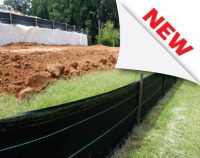
Construction Site – Erosion and Sediment Control: 5 PDH
$30.00 Add to cartIn this course the student will gain a comprehensive understanding of how urbanization alters natural hydrologic processes and contributes to environmental degradation through increased stormwater runoff, erosion, and pollutant transport. They will also understand the interrelationship between land development practices, vegetation, soil integrity, and water quality.Instructor: Raymond Bosek, PESPECIFIC KNOWLEDGE OR SKILL OBTAINED
This course teaches the following specific knowledge and skills:
- Explain the hydrologic cycle and describe how urbanization alters natural stormwater flow patterns.
- Identify key pollutants associated with various land uses and construction activities, and their impacts on water quality.
- Evaluate the physical, chemical, and biological effects of increased impervious surfaces on watershed ecosystems.
- Conduct site assessments to collect critical environmental data including topography, soil characteristics, hydrologic features, and vegetation.
- Design erosion and sediment control plans incorporating both structural and non-structural stormwater quality measures.
- Develop comprehensive stormwater pollution prevention plans (SWPPPs) that address both active construction and post-construction phases.
CERTIFICATE OF COMPLETION
You will be able to immediately print a certificate of completion after passing a 20 question multiple-choice quiz. The quiz can be retaken unlimited times until a passing grade of 70% or better is earned. This course satisfies five (5) hours of professional development (PDH).
Preview CourseClick “Preview Course” to view prior to purchaseClick “Add to Cart” to purchaseConstruction Site – Erosion and Sediment Control: 5 PDH
$30.00 Add to cartIn this course the student will gain a comprehensive understanding of how urbanization alters natural hydrologic processes and contributes to environmental degradation through increased stormwater runoff, erosion, and pollutant transport. They will also understand the interrelationship between land development practices, vegetation, soil integrity, and water quality.Instructor: Raymond Bosek, PESPECIFIC KNOWLEDGE OR SKILL OBTAINED
This course teaches the following specific knowledge and skills:
- Explain the hydrologic cycle and describe how urbanization alters natural stormwater flow patterns.
- Identify key pollutants associated with various land uses and construction activities, and their impacts on water quality.
- Evaluate the physical, chemical, and biological effects of increased impervious surfaces on watershed ecosystems.
- Conduct site assessments to collect critical environmental data including topography, soil characteristics, hydrologic features, and vegetation.
- Design erosion and sediment control plans incorporating both structural and non-structural stormwater quality measures.
- Develop comprehensive stormwater pollution prevention plans (SWPPPs) that address both active construction and post-construction phases.
CERTIFICATE OF COMPLETION
You will be able to immediately print a certificate of completion after passing a 20 question multiple-choice quiz. The quiz can be retaken unlimited times until a passing grade of 70% or better is earned. This course satisfies five (5) hours of professional development (PDH).
Preview CourseClick “Preview Course” to view prior to purchaseClick “Add to Cart” to purchase
Continuous Energy Improvement in Motor Driven Systems: 5 PDH
$30.00 Add to cartIn this course the student will understand the principles, strategies, and best practices for achieving continuous energy improvement in motor-driven systems. They will learn how to develop and implement motor management programs, assess motor system efficiency, apply energy-saving technologies, and adopt life-cycle cost approaches to decision-making.Instructor: Seth Grablow, PESPECIFIC KNOWLEDGE OR SKILL OBTAINED
This course teaches the following specific knowledge and skills:
- Understand motor management’s impact on energy and operational costs.
- Apply life-cycle costing in motor selection and replacement decisions.
- Identify and implement energy efficiency opportunities in motor systems.
- Utilize MotorMaster+ for energy and cost-saving analyses.
- Develop and execute a comprehensive motor management action plan.
- Apply ISO 50001 principles for continuous energy improvement.
CERTIFICATE OF COMPLETION
You will be able to immediately print a certificate of completion after passing a 20 question multiple-choice quiz. The quiz can be retaken unlimited times until a passing grade of 70% or better is earned. This course satisfies five (5) hours of professional development (PDH).
Preview CourseClick “Preview Course” to view prior to purchaseClick “Add to Cart” to purchaseContinuous Energy Improvement in Motor Driven Systems: 5 PDH
$30.00 Add to cartIn this course the student will understand the principles, strategies, and best practices for achieving continuous energy improvement in motor-driven systems. They will learn how to develop and implement motor management programs, assess motor system efficiency, apply energy-saving technologies, and adopt life-cycle cost approaches to decision-making.Instructor: Seth Grablow, PESPECIFIC KNOWLEDGE OR SKILL OBTAINED
This course teaches the following specific knowledge and skills:
- Understand motor management’s impact on energy and operational costs.
- Apply life-cycle costing in motor selection and replacement decisions.
- Identify and implement energy efficiency opportunities in motor systems.
- Utilize MotorMaster+ for energy and cost-saving analyses.
- Develop and execute a comprehensive motor management action plan.
- Apply ISO 50001 principles for continuous energy improvement.
CERTIFICATE OF COMPLETION
You will be able to immediately print a certificate of completion after passing a 20 question multiple-choice quiz. The quiz can be retaken unlimited times until a passing grade of 70% or better is earned. This course satisfies five (5) hours of professional development (PDH).
Preview CourseClick “Preview Course” to view prior to purchaseClick “Add to Cart” to purchase
Shopping Cart